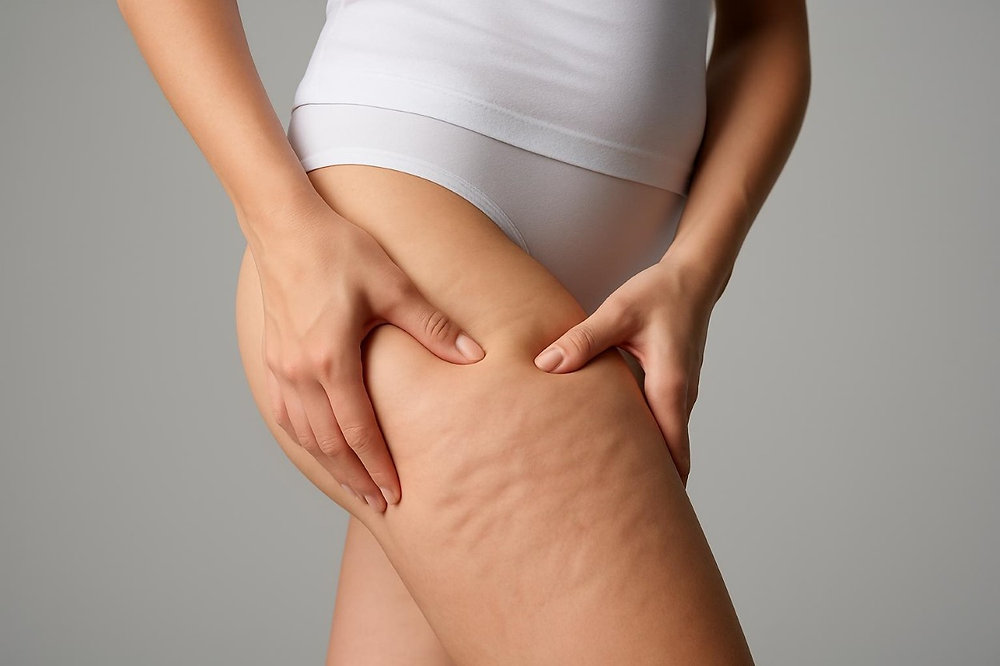
Cellulite Types Explained: Tailored Tips for Thighs & Butt
For many, the sight of dimpled skin on the thighs, calves, and buttocks can dampen the excitement for warmer weather and shorter clothing. Often dubbed "orange peel skin," cellulite is an incredibly common phenomenon, primarily affecting women, though men are not entirely immune. While the quest for perfectly smooth skin might feel like an uphill battle, understanding what causes cellulite – and, crucially, what type you have – can empower you to take targeted action. Instead of a one-size-fits-all approach, a tailored strategy can significantly reduce its appearance and help you feel more confident. So, if you're asking, Was Tun Gegen Cellulite Am Po Und Oberschenkel (What to do about cellulite on the butt and thighs?), read on to discover how to identify your cellulite type and apply effective, personalized solutions.
Unmasking Cellulite: Beyond the Surface Dimples
Cellulite is easily recognizable by its distinct, lumpy, and uneven texture, often making certain body areas appear less firm. While it's frequently associated with excess weight, cellulite isn't solely a fat issue. It involves a complex interplay of fat cells, connective tissue, and fluid retention beneath the skin's surface. The structure of women's connective tissue, arranged in vertical chambers, makes them more susceptible to fat cells pushing through and creating the characteristic dimpling, unlike men's crisscross pattern.
The good news is that you're far from alone in experiencing it. Statistics show that around 95% of women have some form of cellulite. The even better news? While completely "magically erasing" it might be unrealistic, taking proactive steps can significantly prevent its worsening or reduce its existing appearance. The key lies in identifying which of the three main types of cellulite you're dealing with.
The Three Main Cellulite Types & Tailored Solutions
To determine your cellulite type, a simple "pinch test" can provide valuable clues. Gently pinch a section of skin on your thigh or buttock. Your response and the appearance of the pinched area will help you differentiate.
1. Adipose Cellulite (Fat-Related)
- How to Identify: When you pinch the skin, the area doesn't feel painful and displays the classic orange peel texture. This is the most common form of cellulite and is closely linked to excess body fat.
- Why it Occurs: Adipose cellulite develops when enlarged fat cells push against the skin, and the fibrous bands that connect skin to muscle pull downwards, creating the dimpled effect. Poor circulation can exacerbate this.
- Tailored Tips for Thighs & Butt:
- Nutrition Focus: A healthy diet is paramount. Limit the consumption of processed sugars, unhealthy fats, and refined carbohydrates. Instead, prioritize whole, unprocessed foods, lean proteins, fresh fruits, and plenty of vegetables. These support overall fat loss and provide essential nutrients for skin health.
- Consistent Exercise: Engage in a regular fitness routine that combines cardiovascular exercise (like brisk walking, cycling, or swimming) to burn calories and fat, with strength training to build muscle and tone the underlying tissue. Stronger muscles underneath the skin can help push it outwards, reducing the dimpled appearance. For specific routines, explore Effective Exercises to Reduce Cellulite on Thighs & Butt.
- Targeted Massage: Regular self-massage or professional massages can help break down fat accumulations near the skin's surface and stimulate the lymphatic system to remove waste products. Use a dry brush, a massage roller, or your hands with a nourishing oil. Always drink plenty of water after a massage to aid circulation and hydration.
2. Edematous Cellulite (Water Retention-Related)
- How to Identify: When you pinch the skin, it doesn't hurt, and while there might be some dimpling, the "orange peel" appearance is less pronounced than with adipose cellulite. This type is primarily associated with fluid retention in the tissue.
- Why it Occurs: Poor circulation and lymphatic drainage lead to an accumulation of fluid (edema) in the interstitial spaces between cells, contributing to swelling and a puffy appearance that can exacerbate cellulite.
- Tailored Tips for Thighs & Butt:
- Dietary Adjustments: Combat water retention by adopting a low-sodium diet. Excess salt can cause your body to hold onto water. Incorporate plenty of plant-based proteins, which can help maintain fluid balance. Focus on natural diuretics like cucumbers, celery, and cranberries.
- Boost Circulation: Endurance training is excellent for strengthening your lymphatic and blood circulation. Activities like running, brisk walking, swimming, or cycling encourage better fluid movement throughout the body, helping to flush out retained water.
- Hydration is Key: Counterintuitively, drinking ample amounts of water (at least 8 glasses a day) is crucial for reducing water retention. It encourages your body to release excess fluids and toxins, keeping your system hydrated and functioning optimally.
- Elevate & Move: If you spend a lot of time sitting or standing, make sure to take breaks to move around and elevate your legs when possible to aid circulation.
3. Fibrotic Cellulite (Hardened Connective Tissue)
- How to Identify: When you pinch the skin, the area feels hard and is often painful. The orange peel texture is usually deep-set and more visible. This is a more stubborn and long-lasting form of cellulite, resulting from a hardening and damage of the firm collagen fibers deep within the fat tissue.
- Why it Occurs: Over time, the collagen fibers around fat cells can become rigid and inflexible, trapping fat cells and fluids and creating a much tougher, more painful type of cellulite. This often happens due to a combination of factors, including genetics, poor diet, lack of exercise, and hormonal influences.
- Tailored Tips for Thighs & Butt:
- Consistent Healthy Eating: Similar to adipose cellulite, a diet low in processed sugars, unhealthy fats, and inflammatory foods is essential. Focus on anti-inflammatory foods like berries, leafy greens, and omega-3 fatty acids.
- Intensive Massage & Treatments: Regular, vigorous massages are particularly beneficial for fibrotic cellulite to help break down the hardened collagen fibers. Dry brushing, vigorous self-massage with a firm hand or a specialized massage tool, and professional deep-tissue massages or vacuum therapies can be effective. Consistency is crucial here.
- Strength Training: Building strong muscles provides a firm foundation beneath the skin, which can help improve the overall texture and reduce the appearance of deep dimples. Focus on exercises that target the glutes and thighs.
- Professional Interventions: For more severe cases, various clinical treatments (like radiofrequency, subcision, or laser treatments) might be considered, but these should always be discussed with a dermatologist or specialist.
Holistic Lifestyle: Beyond Type-Specific Treatments
While understanding your specific cellulite type provides a roadmap, a holistic lifestyle approach is fundamental to achieving and maintaining smoother skin, regardless of the classification. These general wellness practices contribute significantly to reducing the appearance of cellulite on your butt and thighs:
- Hydration: As mentioned, staying well-hydrated is critical for flushing toxins, supporting circulation, and ensuring healthy, supple skin. Water is your body's natural detoxifier.
- Balanced Diet: Beyond specific dietary tweaks for each type, a consistently healthy diet rich in whole foods, fiber, lean protein, and healthy fats nourishes your body from the inside out. It helps manage weight, reduces inflammation, and provides the building blocks for healthy collagen and elastin.
- Regular Exercise: A combination of cardiovascular and strength training is a powerful weapon against cellulite. Cardio burns fat and improves circulation, while strength training tones muscles, tightens the skin, and improves overall body composition. These activities strengthen connective tissue and stimulate blood flow, both of which are crucial for reducing cellulite.
- Stress Management: Chronic stress can impact hormone levels and contribute to inflammation, potentially worsening cellulite. Incorporate stress-reducing activities like yoga, meditation, or spending time in nature.
- Don't Smoke: Smoking impairs blood flow and damages collagen, both of which are detrimental to skin health and can exacerbate cellulite.
Embracing Reality: Acceptance and Reduction
For everyone grappling with "orange peel skin," there's a vital truth to remember: cellulite is incredibly natural. It affects nearly all women, regardless of their size or fitness level. In fact, many celebrities are now choosing to embrace and not hide their natural dimples. While the pursuit of entirely smooth skin can be a challenging and often frustrating endeavor, accepting its natural presence while simultaneously working to reduce its severity is a healthy and empowering approach.
The goal isn't necessarily to eradicate every single dimple, but rather to find a "golden middle ground" where you feel comfortable and confident in your skin. Significant reduction is achievable through consistent effort and tailored strategies. For a deeper dive into balancing self-acceptance with proactive steps, consider reading Cellulite Is Normal: How to Reduce & Accept Your Orangenhaut.
Ultimately, what helps against cellulite on the butt and thighs is a personalized and consistent commitment to a healthy lifestyle. By understanding your specific cellulite type, you can make informed choices about your diet, exercise, and skincare routines, leading to visible improvements and a renewed sense of confidence.